Curtain Hairstyles: A Photo Guide
Explore curtain hairstyles, middle parts and softer fringes. Compare the shapes, prepare a photo and describe the look you want at your next haircut.
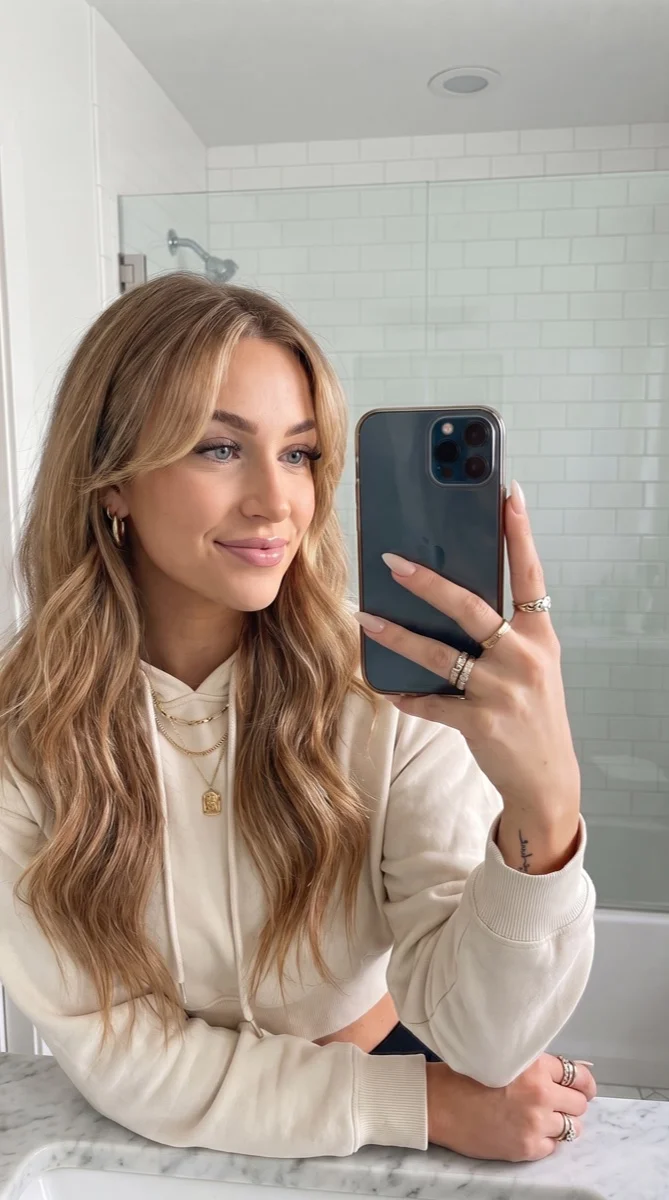
What makes a curtain hairstyle?
A curtain hairstyle opens at the center or just off center, with hair falling to either side of the forehead. The visible part and the way the front pieces frame the face define the look. The rest of the haircut can be short, medium or long, so the name alone does not describe the whole cut.
Before choosing a reference, decide whether you want a full middle-parted haircut or only a curtain fringe. A fringe changes the front while leaving most of your existing length in place. A full curtains cut also needs a decision about the sides and back. Separating those choices makes a salon conversation much clearer.
Choose the version you actually mean
Soft curtains keep movement at the front and some fullness at the sides. A more polished version has clearer separation and a controlled finish. A longer version lets the front sections sit beside the cheekbones. Compare examples with a similar starting length to yours rather than choosing only by the person wearing the cut.
Uppercut Deluxe’s middle-part example shows one cut styled with a slicker finish, while also describing a looser alternative. The useful distinction is finish rather than a completely different haircut. When collecting references, save the shape you like and note whether you want it worn loose or neatly combed.
Start with the part and the front length
Look at where your hair already separates when you arrange it gently. A dead-center line and a slightly offset line can frame the same face differently. Take a photo of each before deciding. Keep the camera angle and light the same so the position of the part is the main change you are judging.
Then decide where the shortest front pieces should finish. Say whether you want them near the brows, beside the eyes or lower around the cheeks. These are visual landmarks, not instructions to cut your own hair. Your stylist can check how the requested length behaves with your texture and growth pattern.
Keep the sides in the conversation
A curtain fringe with long layers is different from curtains above closely cut sides. In a reference photo, inspect the area above the ears as carefully as the front. Ask whether you want a soft connection into the sides or a stronger contrast between the top and the lower hair.
If your main goal is less length around the ears, compare a short-hair preview too. If you want the forehead open and the hair directed backward, a slick back may be closer to your idea. Distinguishing these shapes avoids asking one vague prompt to produce several different hairstyles.
Try a face-framing preview on your photo
TooExtra’s curtain bangs tool changes the fringe around your face while asking to retain the existing haircut and color. Use it when you want to explore that front section. It is not a dedicated full men’s curtains preset, and it does not automatically shorten the sides or redesign the back.
Add soft curtain bangs parted slightly off center, with the front pieces framing my cheeks. Keep my existing hair length, color, face, glasses and background unchanged.
Choose a source with your forehead, eyes and hairline visible. Start with the existing template, then describe the front length and what should remain. Compare the result with your original before adding more requests. Use a wider portrait if you want to judge how the fringe connects to the hair beside your jaw.
Turn your reference into a clear request
Bring a front view and a side view of the hairstyle, plus a picture of how you normally wear your hair. Explain what attracts you to the reference: the opening at the forehead, the longer front pieces or the softer outline. Your stylist can then separate the cut from the way it was styled.
Ask what the look needs on an ordinary morning. If you prefer air-drying, say that before the haircut. If you are happy to style the front, explain how much time you want to spend. A reference becomes more useful when it describes both the appearance you want and the routine you will actually follow.
Compare shape rather than a perfect portrait
For a photo preview, keep your expression, clothes and lighting unchanged. Look at the space around the eyes, the height at the crown and the side outline. A smoother face or different light can make a result appealing without telling you anything useful about the haircut itself.
Save the original and your preferred version together. Write down the front length, part position and side shape you like. Those details are easier to discuss than asking a stylist to reproduce every strand in a generated picture. For a different direction, compare a wolf cut or a shorter textured pixie.